

Dog Grooming Course Learning: Theory Meets Practical Application
A thorough dog grooming course combines essential theory with practical skills. It covers canine anatomy, coat types, and tailored grooming techniques for various breeds. Participants learn to use specialized tools effectively while understanding skin health and dog comfort. Hands-on practice with real dogs helps develop confidence and adaptability, addressing challenges like anxious behavior or severe matting. This balanced approach guarantees groomers can provide safe, high-quality care dog grooming academy. Exploring further reveals detailed methods and problem-solving strategies for success.
Understanding Canine Anatomy and Coat Types
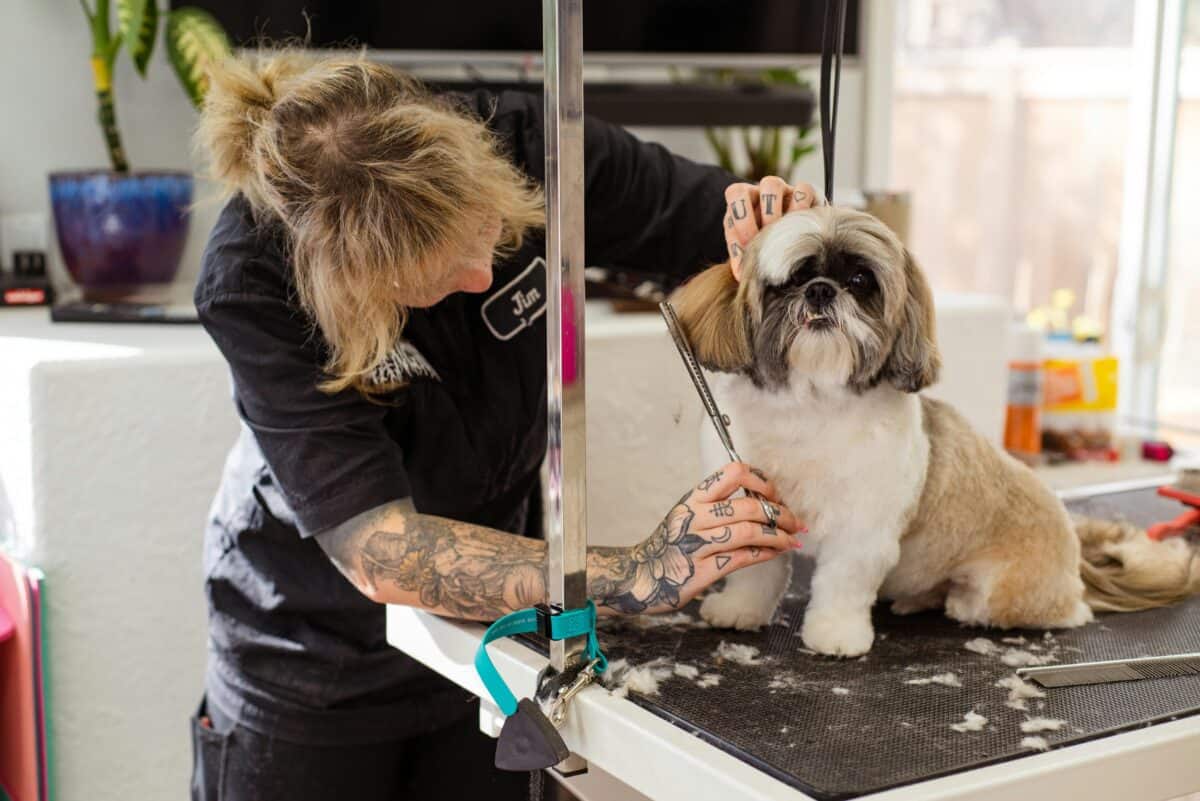
Before beginning any grooming session, a thorough understanding of canine anatomy and coat types is essential to ascertain the health and comfort of the dog https://cosmos.petuniverse.com/dog-grooming-course/. Knowledge of the skeletal structure, muscle placement, and sensitive areas helps avoid injury and ascertains effective grooming.
Different breeds exhibit diverse coat types—smooth, double, curly, or wiry—each demanding specific care techniques. Recognizing these variations allows for tailored grooming that respects the dog’s natural characteristics and promotes freedom from discomfort.
Awareness of skin conditions and natural oils further informs appropriate handling, fostering a stress-free environment. This foundational knowledge empowers groomers to work confidently and respectfully, maintaining the dog’s well-being while embracing the individuality of each canine companion.
Essential Grooming Tools and Their Uses
A solid grasp of canine anatomy and coat variations guides the selection of appropriate grooming tools. Different breeds require specific instruments tailored to their fur texture and skin sensitivity, allowing for effective and comfortable grooming.
Essential tools include:
- Slicker Brush: Ideal for removing loose hair and detangling mats, especially in medium to long coats.
- De-matting Comb: Designed to gently break up stubborn tangles without causing discomfort.
- Shears and Clippers: Used for trimming and shaping fur, vital for maintaining breed-specific styles or managing overgrown coats.
Mastering the use of these tools equips groomers with the freedom to adapt techniques, ensuring each dog’s grooming experience is safe and pleasant while respecting their unique coat needs.
Step-by-Step Grooming Techniques for Different Breeds
Though grooming techniques vary widely among breeds, each requires a tailored approach to address specific coat types, skin sensitivities, and stylistic standards.
For long-haired breeds like the Afghan Hound, brushing must be gentle and frequent to prevent matting, followed by careful trimming to maintain the coat’s flow.
Double-coated dogs, such as Siberian Huskies, benefit from thorough deshedding with specialized tools during seasonal changes.
Short-haired breeds often need minimal clipping but require regular bathing and nail care.
Curly-coated breeds like Poodles demand consistent clipping and shaping to preserve their distinctive appearance.
Successful grooming balances breed standards with the dog’s comfort, ensuring techniques remain respectful and effective.
This step-by-step focus empowers learners to adapt methods, fostering both skill and freedom in grooming practice.
Hands-On Practice: Building Confidence With Real Dogs
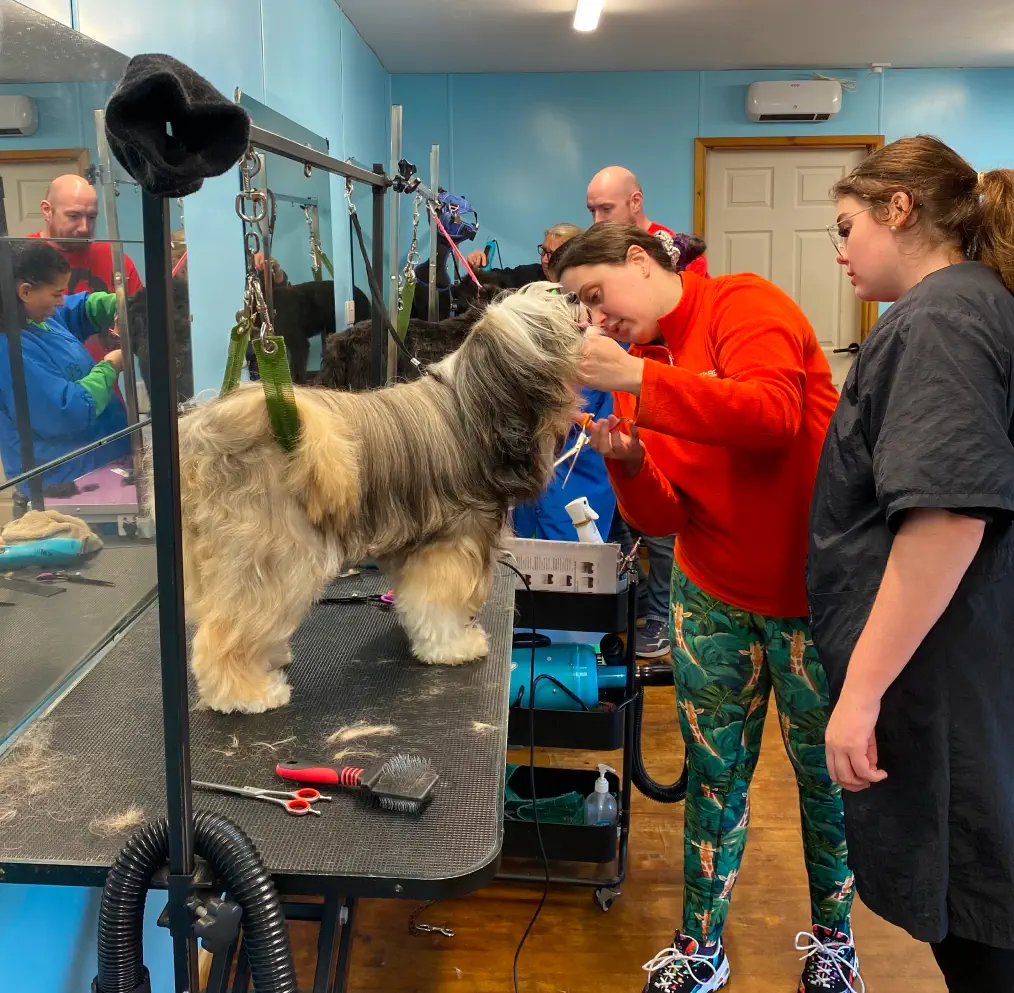
Engaging directly with real dogs allows aspiring groomers to translate theoretical knowledge into practical skills, fostering both competence and confidence.
Practical experience helps groomers understand individual dog temperaments and adapt techniques accordingly, a vital step toward mastery. Interacting with live animals encourages problem-solving and builds a calm, assured approach in varied situations.
Key benefits of hands-on practice include:
- Developing sensitivity to dogs’ comfort and stress signals
- Refining handling skills to guarantee safety and efficiency
- Gaining real-time feedback to improve grooming precision
This experiential learning empowers groomers to work independently, nurturing a sense of freedom in their craft.
Troubleshooting Common Grooming Challenges and Solutions
Practical experience with live dogs often reveals unexpected challenges that theoretical study alone cannot anticipate.
Groomers frequently face issues such as anxious behavior, matting, and skin sensitivities. Effective troubleshooting requires calm observation and adaptability.
For anxious dogs, gradual desensitization and gentle handling reduce stress. Mats demand careful detangling with specialized tools or, if severe, professional clipping to avoid discomfort or injury.
Skin sensitivities call for hypoallergenic products and close monitoring for reactions. Time management and patience are essential when addressing these obstacles, ensuring safety and comfort for both dog and groomer.
Conclusion
A thorough dog grooming course effectively combines theoretical knowledge with practical application, ensuring learners understand canine anatomy, coat types, and essential tools. By following breed-specific grooming techniques and engaging in hands-on practice, participants build confidence and skill. Addressing common grooming challenges through troubleshooting further enhances proficiency. This integrated approach prepares individuals to provide safe, effective grooming, promoting canine health and well-being while fostering professional competence in the field.


